Local chimney sweep guide for Old West Lawrence homeowners
Historic Old West Lawrence homes have chimney quirks newer builds don't. Here's what to check, what it costs in 2026, and how to pick a sweep you can trust.
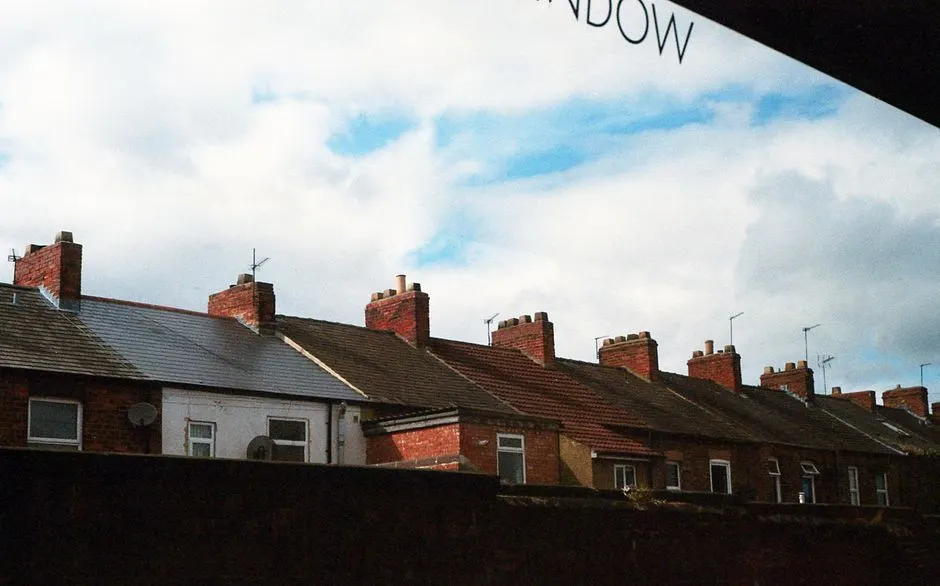
A local chimney sweep guide Old West Lawrence homeowners can actually use starts with one fact: the brick chimneys in this neighborhood were built for coal and wood, not for the way most of us burn today. That mismatch is why Old West Lawrence chimneys clog faster, crack sooner, and need a sweep who has worked on 1890s masonry before. Over the next few sections we'll cover what makes these chimneys different, what cleaning costs in 2026, how to vet a sweep, and the maintenance rhythm that keeps a 130-year-old flue safe through a Lawrence winter.
If you've ever typed "Chimney Sweep near me" at 9 p.m. in January, you already know the stakes. A blocked flue doesn't just smell bad - it pushes carbon monoxide back into the living room.
Why Old West Lawrence Chimneys Need Different Care
Old West Lawrence chimneys are 19th-century masonry flues that were sized for coal smoke and open hearths, which is why they behave nothing like the factory-built metal liners in a 2005 subdivision house. The bricks are softer. The mortar is lime-based, not Portland cement. And most of these flues have been relined, parged, or patched at least once since the Truman administration.
Three things go wrong here more than anywhere else in Lawrence:
- Oversized flues. A 12x12-inch clay tile that once vented a coal stove is too big for a modern wood insert. Cool flue gases linger, condense, and lay down creosote at roughly double the rate of a properly sized liner.
- Spalling brick. Freeze-thaw cycles in central Indiana pull moisture into old brick, and the faces pop off in flakes. Once spalling starts above the roofline, water gets into the chimney's core.
- Dead-end flues. Many Old West Lawrence homes have two or three flues, and only one is still in use. The abandoned ones collect rain, nests, and debris - and they still need caps.
We see this constantly on the blocks between 4th and 8th Street, where the housing stock runs from the 1870s through the 1920s. If your home sits in that band, treat your chimney as a historic structure, not an appliance.
How much does chimney cleaning cost in Old West Lawrence IN?
Chimney cleaning in Old West Lawrence IN runs $175 to $350 for a standard single-flue sweep in 2026, and $400 to $700 when the job includes a level-two inspection, a stuck cap, or heavy third-degree creosote. The neighborhood premium over a plain suburban sweep is real, and it comes from access and complexity - steep roofs, narrow side yards, and flues that haven't been touched in a decade.
Here's what drives the number up or down:
- Flue count. One active flue is the base price. Each additional flue adds $75 to $125.
- Creosote grade. Grade 1 (sooty, powdery) sweeps clean in under an hour. Grade 3 (glazed, tar-like) needs chemical treatment and a return visit.
- Roof access. A walkable 6/12 pitch is routine. A 10/12 pitch with a slate surface means we rig a harness and add $100 to $200.
- Inspection level. A level-one visual check is included with most sweeps. A level-two inspection with a camera adds $150 to $250 and is worth it on any home you just bought.
Be skeptical of a $79 chimney special. In our experience that price buys a guy with a shop vac and a flashlight, not a sweep who will get on the roof, run rods through the flue, and tell you honestly what shape the mortar crown is in.
Do older homes in Old West Lawrence need special chimney care?
Yes - older homes in Old West Lawrence need special chimney care because their lime-mortar joints, unlined or partially lined flues, and original clay tile cannot tolerate the same cleaning methods or heat loads as modern systems. A stiff nylon brush on a 1920s flue is fine. A rotary chain whip on the same flue can gouge the tile and open a path for carbon monoxide.
The three non-negotiables for historic-home chimney care Old West Lawrence homeowners should insist on:
- Soft-bristle or poly brushes only on pre-1950 clay tile. No chains, no metal whips.
- A camera inspection before any relining work. You want to see the tile joints, not guess at them.
- A chimney cap and crown seal. Water does more long-term damage to these chimneys than fire does. A $150 cap prevents a $4,000 rebuild.
We also recommend a chimney inspection Lawrence IN any time you buy an Old West Lawrence home, even if the seller swears the chimney was "just cleaned." Paperwork lies. Cameras don't.
How to choose a chimney sweep in Old West Lawrence
Choosing a chimney sweep in Old West Lawrence comes down to four checks you can run in about ten minutes. Do them before you let anyone on your roof.
1. Ask what certification they carry
The industry standard is CSIA certification through the Chimney Safety Institute of America. A certified sweep has passed a written and practical exam and carries liability insurance that actually covers chimney work. Ask for the certificate number and verify it - it takes 30 seconds on the CSIA website.
2. Ask how they handle historic masonry
A sweep who has only worked on suburban ranch homes will reach for a rotary tool on your 1890s flue. Ask directly: "What brush do you use on old clay tile?" The right answer mentions poly or soft nylon. The wrong answer is a shrug.
3. Ask for a written report, not a verbal summary
You should get photos of the flue interior, the crown, the cap, and any cracks in the smoke chamber. If a company won't put findings in writing, they're setting up a second visit you didn't agree to.
4. Ask about the price before they arrive
A legitimate sweep quotes a range over the phone based on flue count and access. If the price only appears after the work is done, walk away.
For homeowners who want the short version, our local chimney sweep Lawrence IN page lays out exactly what we check on every Old West Lawrence visit.
Chimney maintenance Old West Lawrence IN: a season-by-season plan
Chimney maintenance Old West Lawrence IN homeowners should schedule around the burn season, not around convenience. Here's the rhythm that works for these houses.
Fall (now through November)
This is the sweep window. Book before the first hard freeze, because once the roof ices up, we can't safely get to the crown. A fall sweep clears the summer's debris - bird nests, leaves, and the wasp nests that love a warm flue. If you burn more than one cord of wood a year, you need a fall sweep every single year.
Winter (December through February)
Burn dry wood only - under 20% moisture, tested with a $20 meter. Green wood lays down creosote three to four times faster. If you smell a sharp, acrid odor on a cold start, that's creosote off-gassing, and it means the flue is loading up.
Spring (March through May)
After the last fire, get the flue swept one more time if you burned heavily. Spring is also the right window for masonry repairs - repointing, crown sealing, and flashing work - because the mortar cures best in mild, dry weather. This is when we do most of our chimney maintenance Lawrence IN work on historic homes.
Summer (June through August)
Check the cap and the crown after every major storm. A cracked crown lets water into the chimney's core, and by fall you'll see spalling brick or a rusted damper. Ten minutes with binoculars from the yard is enough.
What to watch out for
Most chimney failures we see in Old West Lawrence trace back to one of five mistakes. None of them are exotic, and all of them are preventable.
- Burning unseasoned wood. "Seasoned" means split, stacked, and air-dried for at least 12 months. If the log hisses, it's wet.
- Skipping the annual sweep because "we hardly use it." Even light use builds creosote, and animals nest in unused flues. An unused chimney is not a safe chimney.
- Letting a contractor reline without a camera inspection. We've pulled liners out of Old West Lawrence chimneys that were installed over cracked tile and made the problem worse.
- Ignoring the crown. The concrete cap on top of the chimney is the single most neglected part of the system. A $200 crown repair now prevents a $5,000 rebuild later.
- Hiring on price alone. The cheapest quote in Lawrence is usually the one that doesn't carry insurance or pull a permit for relining work.
When to call a professional
Call a professional the moment you notice any of these: a strong creosote smell in the house, smoke rolling back into the room instead of up the flue, a damper that won't open or close, visible cracks in the firebox, or white staining on the exterior brick. Any one of those is a stop-burning signal.
Our team at EmberHarbor Pros works Old West Lawrence every week, and we've seen every version of these problems. We sweep the flue, run a camera, photograph what we find, and tell you plainly whether you're looking at a $200 fix or a $4,000 reline. No pressure, no upsell - just the truth about the chimney you own.
If you're not sure whether your chimney needs attention, a chimney cleaning Lawrence IN visit is the cheapest way to find out. It's a small investment that answers a big question.
Frequently Asked Questions
Who is the best chimney sweep in Old West Lawrence?
The best sweep is the one who is CSIA-certified, carries liability insurance, uses soft brushes on historic clay tile, and gives you a written report with photos. Ask for proof of all four before you book. In Lawrence, we recommend getting two quotes and comparing the scope, not just the price.
How much does chimney cleaning cost in Old West Lawrence IN?
Expect $175 to $350 for a standard single-flue sweep in 2026, and $400 to $700 if you add a level-two camera inspection or the flue has heavy glazed creosote. Steep roofs and multiple flues push the price toward the top of that range.
Do older homes in Old West Lawrence need special chimney care?
Yes. Pre-1950 chimneys have lime mortar and softer clay tile that can't take aggressive rotary cleaning. They also need a cap and crown seal to survive Indiana freeze-thaw cycles. Annual sweeping plus a camera inspection every two to three years is the right cadence for these homes.
How often should an Old West Lawrence chimney be swept?
Once a year if you burn wood regularly, and once every two years even with light use. If you burn more than one cord of wood per season, sweep every fall without exception. Creosote accumulates faster in oversized historic flues than in modern liners.
Can I clean my own chimney in Old West Lawrence?
You can, but it's risky on these homes. Roof access on a steep slate or shingle pitch is the first hazard, and without a camera you can't see cracked tile or a failing smoke chamber. DIY sweeping also voids most chimney warranties and won't satisfy an insurance claim after a flue fire.
Get help with Chimney Sweep in Lawrence
If your Old West Lawrence chimney hasn't been swept since last winter, now is the window - before the roof ices up and the burn season starts in earnest. We'll sweep the flue, inspect the crown and cap, and hand you a written report with photos the same day.
Call EmberHarbor Pros at (855) 959-5820 to schedule your sweep. We serve every block in Old West Lawrence and the surrounding Lawrence neighborhoods.